7 Signs It’s Time to Visit an Oral Surgeon
When something feels wrong with your teeth, gums, or jaw, it can be hard to know whether you should call your general dentist or schedule an appointment with an oral surgeon. While many dental concerns can be handled during a routine dental visit, some issues need more specialized attention, especially when wisdom teeth, impacted teeth, or tooth extractions are involved.
An oral surgeon is trained to evaluate and treat more complex conditions affecting the teeth, mouth, and jaw. If you are dealing with ongoing pain, swelling, or changes in how your teeth are coming in, it may be time to take the next step and schedule a consultation.
Here are seven signs it may be time to visit an oral surgeon.
1. You Have Pain in the Back of Your Mouth
Pain or tenderness near the back of the mouth is one of the most common reasons people begin thinking about wisdom teeth. Wisdom teeth, also called third molars, often start causing problems when there is not enough room for them to come in properly.
This discomfort may feel like pressure, soreness, or a dull ache near the jaw. It may come and go at first, but if the pain continues or gets worse, it is worth having the area evaluated. An oral surgeon can determine whether your wisdom teeth are developing normally or whether extraction may be recommended.
2. Your Wisdom Teeth Are Impacted
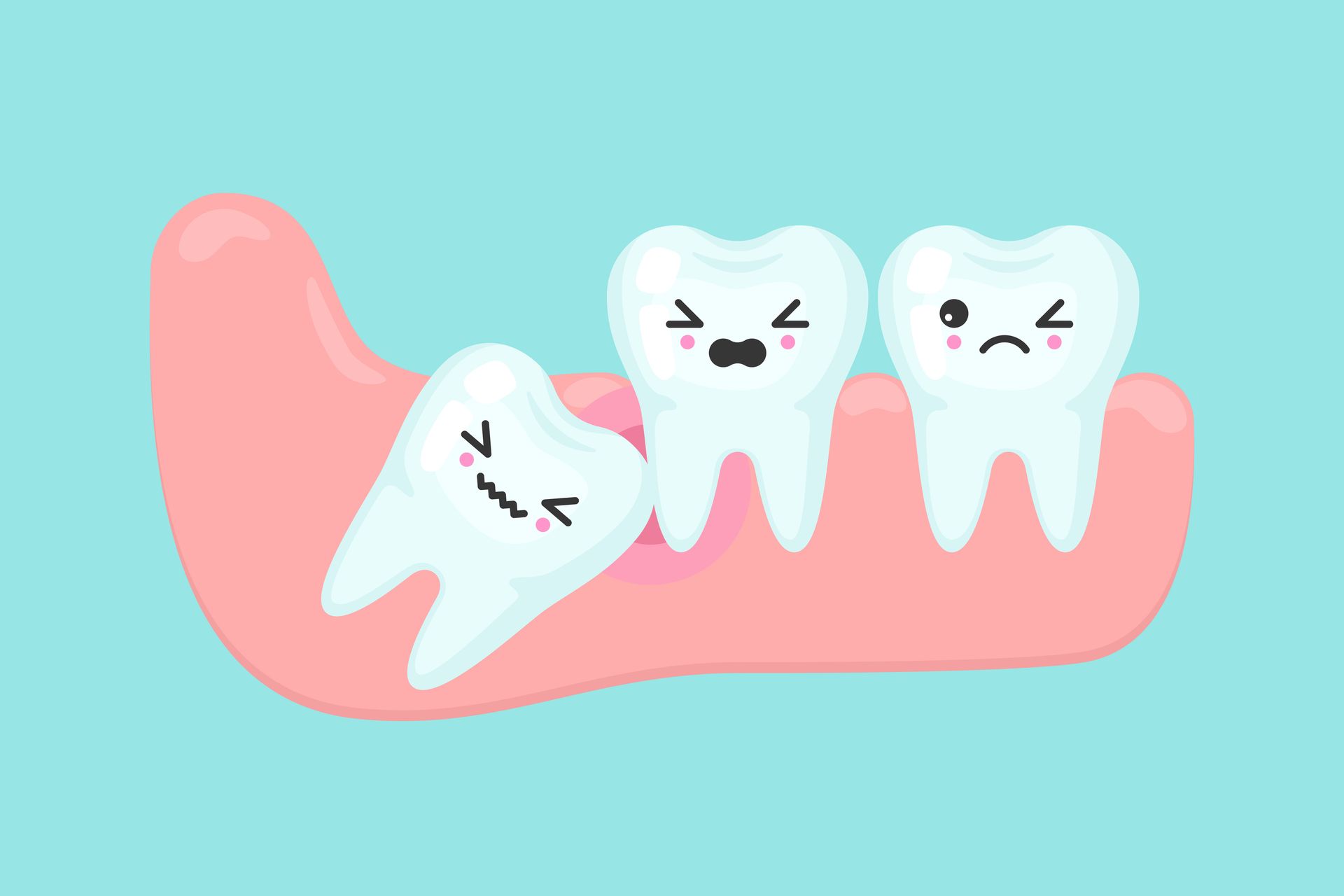
An impacted tooth is a tooth that is blocked from coming in normally. Wisdom teeth are especially likely to become impacted because they are the last teeth to develop. When a wisdom tooth is trapped beneath the gumline or only partially comes through, it can create pressure, discomfort, and a higher risk of other dental problems.
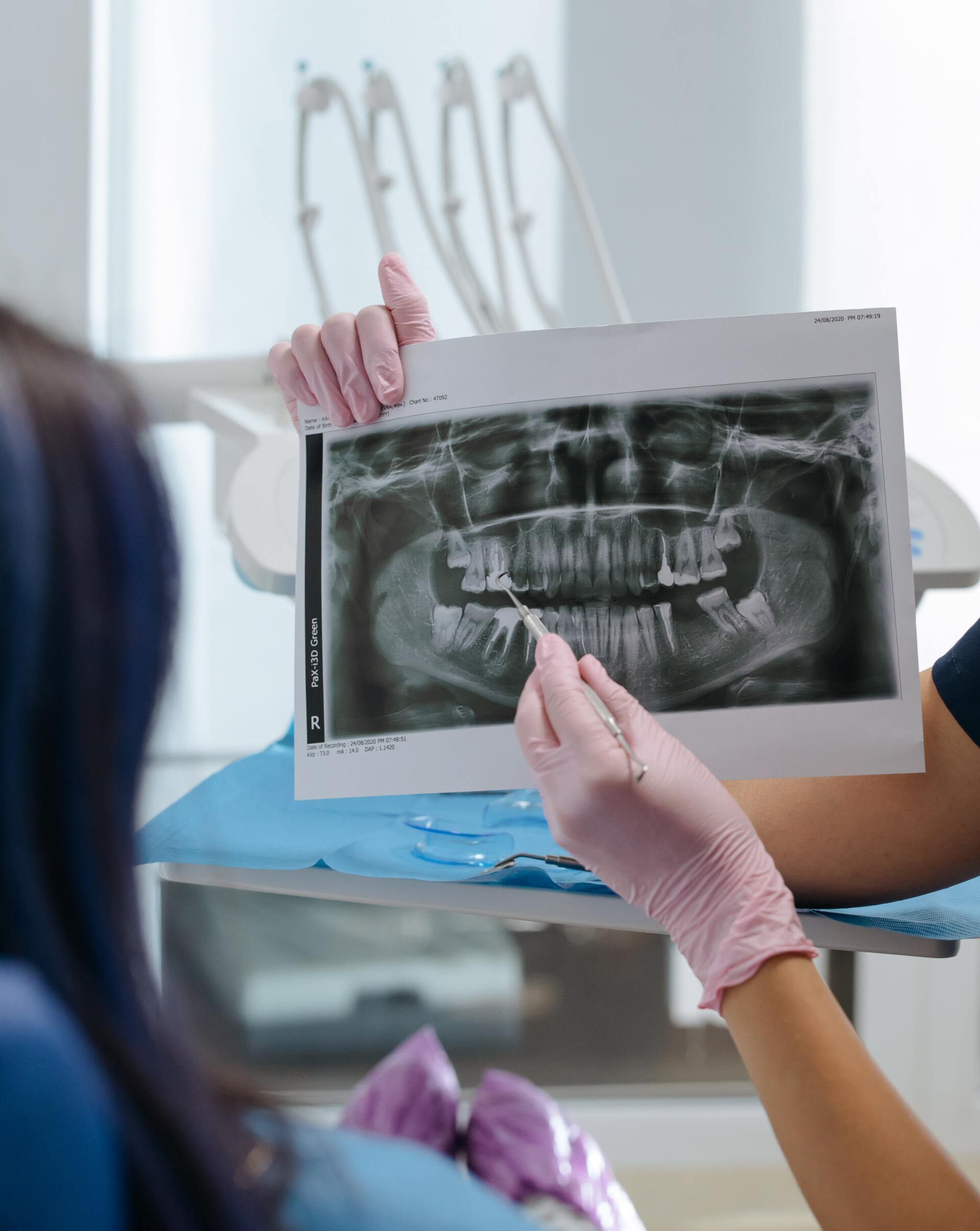
Impacted teeth are not always easy to see just by looking in the mirror. In many cases, dental imaging is needed to understand the tooth’s position and decide whether treatment is needed. If your dentist has told you that your wisdom teeth are impacted, visiting an oral surgeon can help you understand your options and plan the next step.
3. You Notice Swelling, Redness, or Tender Gums
Swelling around the gums, especially near the back molars, may be a sign that a partially erupted or impacted tooth is irritating the surrounding tissue. The area can become difficult to clean, which may allow bacteria to collect around the tooth and gums.
You may notice redness, tenderness, a bad taste, or discomfort when chewing. These symptoms should not be ignored, especially if they return repeatedly. An oral surgeon can evaluate whether the tooth is contributing to the irritation and whether removal may help prevent future issues.
4. You Have Repeated Infections Around a Tooth
Recurring infections can be a sign that a tooth is not healthy or is not positioned properly. This may happen when a wisdom tooth only partially breaks through the gumline, creating a small opening where food particles and bacteria can get trapped.
If you have had repeated swelling, drainage, pain, or infection around the same area, it may be time to discuss tooth extraction with an oral surgeon. Treating the infection temporarily may provide relief, but if the tooth is the source of the problem, a more permanent solution may be needed.
5. A Tooth Is Damaged, Decayed, or Difficult to Restore
Sometimes, a tooth cannot be saved with a filling, crown, or other restorative treatment. Severe decay, cracks, fractures, or damage below the gumline may make extraction the best option for protecting your overall oral health. A tooth extraction may sound intimidating, but an oral surgeon can help make the process as comfortable and efficient as possible.
6. Your Teeth Are Shifting or Crowding
Wisdom teeth and impacted teeth may place pressure on nearby teeth. Over time, this pressure can contribute to crowding, shifting, or changes in your bite. While not every case of crowding is caused by wisdom teeth, it is still worth having the area evaluated if you are noticing changes.
An oral surgeon can review the position of your teeth and help determine whether wisdom tooth extraction or impacted tooth treatment may be appropriate. The earlier these concerns are evaluated, the easier it may be to prevent additional complications.
7. Your Dentist Recommends an Oral Surgery Consultation
In many cases, patients are referred to an oral surgeon by their general dentist. This may happen after an exam, X-ray, or discussion about tooth pain, impacted teeth, wisdom teeth, or a difficult extraction.
A referral does not always mean surgery will happen right away. It simply means the concern should be reviewed by a specialist who can explain the condition, answer your questions, and recommend a treatment plan. If your dentist suggests seeing an oral surgeon, it is a good idea to follow through with the consultation.
When Should You Schedule an Appointment?
You do not have to wait until pain becomes severe to speak with an oral surgeon. If you are experiencing discomfort, swelling, repeated infections, impacted teeth, or concerns about wisdom teeth, scheduling an evaluation can help you better understand what is happening and what options are available.
Amherst Oral Surgery - Ronald A. Chmiel, Jr., DDS provides oral surgery services from our office at 777 Maple Road in Williamsville, NY. With more than 30 years of experience, Dr. Chmiel specializes in wisdom tooth extraction, impacted teeth treatment, tooth extractions, and other outpatient oral surgery procedures.
If you think it may be time to visit an oral surgeon, contact Amherst Oral Surgery today at 716-633-8400 to schedule an appointment or learn more about your treatment options.